
aggregate production reported for New Zealand in 2024
Official NZP&M dataset; the quarry survey response was 56%, so that component is incomplete[1]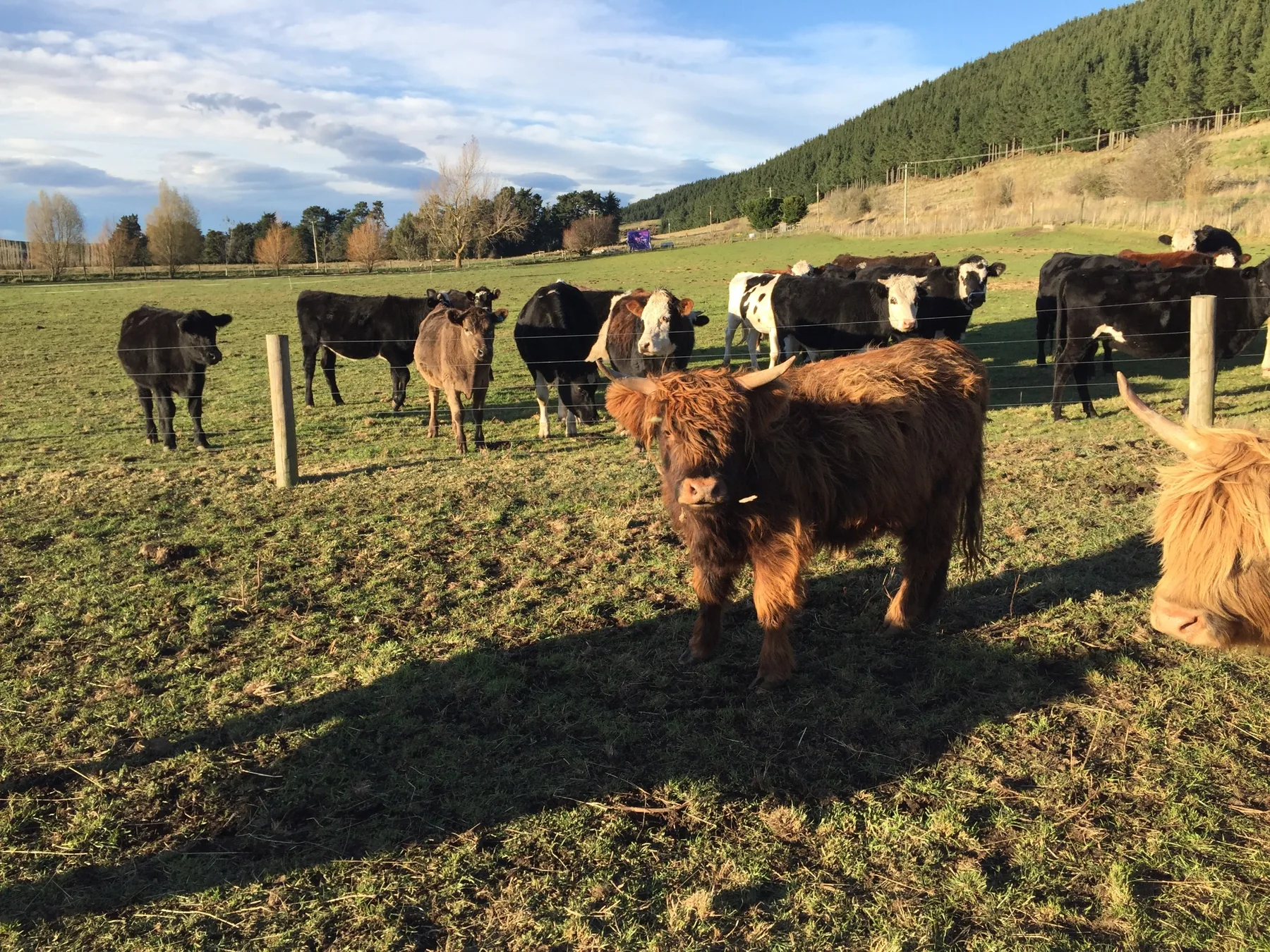
MM01 · Theme 1 of 5 · Why mining matters
If It Isn’t Grown, It Has to Be Mined
The familiar slogan is deliberately simple. It asks people to look behind finished products and consider where their raw materials began.
← Back to all Why Mining Matters topics
MM01
Theme 1 of 5Evidence file
What the slogan means
Everything starts with natural resources
Food, fibre and timber can be grown. Metals, aggregates, limestone, clay, silica and industrial minerals come from the ground. Recycled material is a third and increasingly important source, but it exists because material was produced in the first place. The slogan is a prompt to trace material origins, not a literal scientific classification of every substance.
minerals on New Zealand’s first Critical Minerals List
Published by MBIE in January 2025[3]limestone grade identified for agricultural fertiliser and roading aggregate
GNS Science assessment of New Zealand mineral potential[2]The practical chain
Food, fibre and timber
Metals, aggregate and industrial minerals
Reuse and recycling extend material life
Farms, homes, roads and essential services
Supporting evidence
What supports the message
New Zealand aggregate statistics, mineral uses and the Critical Minerals List show where mined and quarried materials enter everyday life.
Farming and mining are connected
Agriculture grows food and fibre, but its physical system also uses quarried limestone, aggregate, steel fencing, machinery, electricity networks and fuel. GNS Science records New Zealand limestone use in agricultural fertiliser, roading aggregate, cement and lime manufacture.
[2]The largest mineral flows are often the least visible
Aggregate is not a glamorous commodity, but New Zealand’s official 2024 statistics recorded 31.47 million tonnes. The source also states that the voluntary industrial-rocks survey covered only 56% of the sector, so the figure is not a complete quarry census.
[1]Finished products combine many origins
A house combines timber and other grown products with aggregate, cement, steel, copper, glass and gypsum. A tractor combines steel, aluminium, copper, rubber, glass and petroleum-derived materials. Copper alone supports power, wiring, telecommunications, electronics, transport and machinery.
[2] [4]Recycling changes the source, not the material
Recovered copper is still copper and recycled steel is still steel. Recycling can materially reduce the need for new mines, but the IEA concludes that primary supply remains necessary in its energy-transition scenarios because demand grows and existing mines decline.
[5]New Zealand relevance
Why this matters here
Agricultural lime, aggregate, metals and industrial minerals connect mining and quarrying to New Zealand farms, towns and infrastructure.
On the farm
Agricultural lime, farm tracks, culverts, water systems, fencing and machinery connect productive land directly to quarrying, metals and energy supply.
[2]In towns and cities
Roads, concrete, drainage, electricity and communications require large-volume bulk materials as well as metals and specialised minerals.
[1] [4]In national resilience
New Zealand’s Critical Minerals List identifies 37 minerals considered essential to the economy, national security or technology and vulnerable to supply disruption.
[3]Qualifications
Materials and decisions are more complex
Air and water do not fit the simple “grown or mined” distinction. Many manufactured products also contain recycled material.
A mineral deposit alone is not sufficient reason to develop a mine. Economics, environmental effects, access, approvals and management must be considered.
Longer product life, reuse, recovery and recycling can reduce demand for new extraction.
Sources
Where the evidence comes from
[1] New Zealand Petroleum & Minerals · 21 November 2025Mining industry statistics for 2024Aggregate production and the explicit 56% quarry-survey response caveat.↗[2] GNS Science for MBIE · 2024The mineral potential of New Zealand - Part 1Industrial-mineral, limestone, aggregate and agricultural-use evidence.↗[3] Ministry of Business, Innovation & Employment · January 2025A Critical Minerals List for New ZealandThe official list of 37 minerals and its selection framework.↗[4] United States Geological Survey · Current commodity pageCopper statistics and informationCopper’s principal electrical, construction, communications and transport uses.↗[5] International Energy Agency · 2024Recycling of Critical Minerals - Executive summaryRecycling’s contribution and the continuing need for primary supply in the IEA APS.↗
Start a conversation
Questions about mineral supply?
For New Zealand projects, Wairiri works on the geological investigations that establish whether a mineral resource can be developed.